A data breach can begin without a sophisticated attack. Sometimes, an employee sends a spreadsheet to the wrong person. Attackers may also enter systems with stolen passwords. Both situations can expose confidential records.
For businesses evaluating Data loss prevention services in Thane, India, understanding these risks matters. Data loss protection services in Thane, India, help organizations reduce accidental disclosures and identify suspicious information transfers. DLP solutions in Thane, India, also reveal how sensitive files move. They complement staff training and secure access rules.
A useful starting point is to map where important data lives, who needs access, and which sharing methods create the greatest exposure.
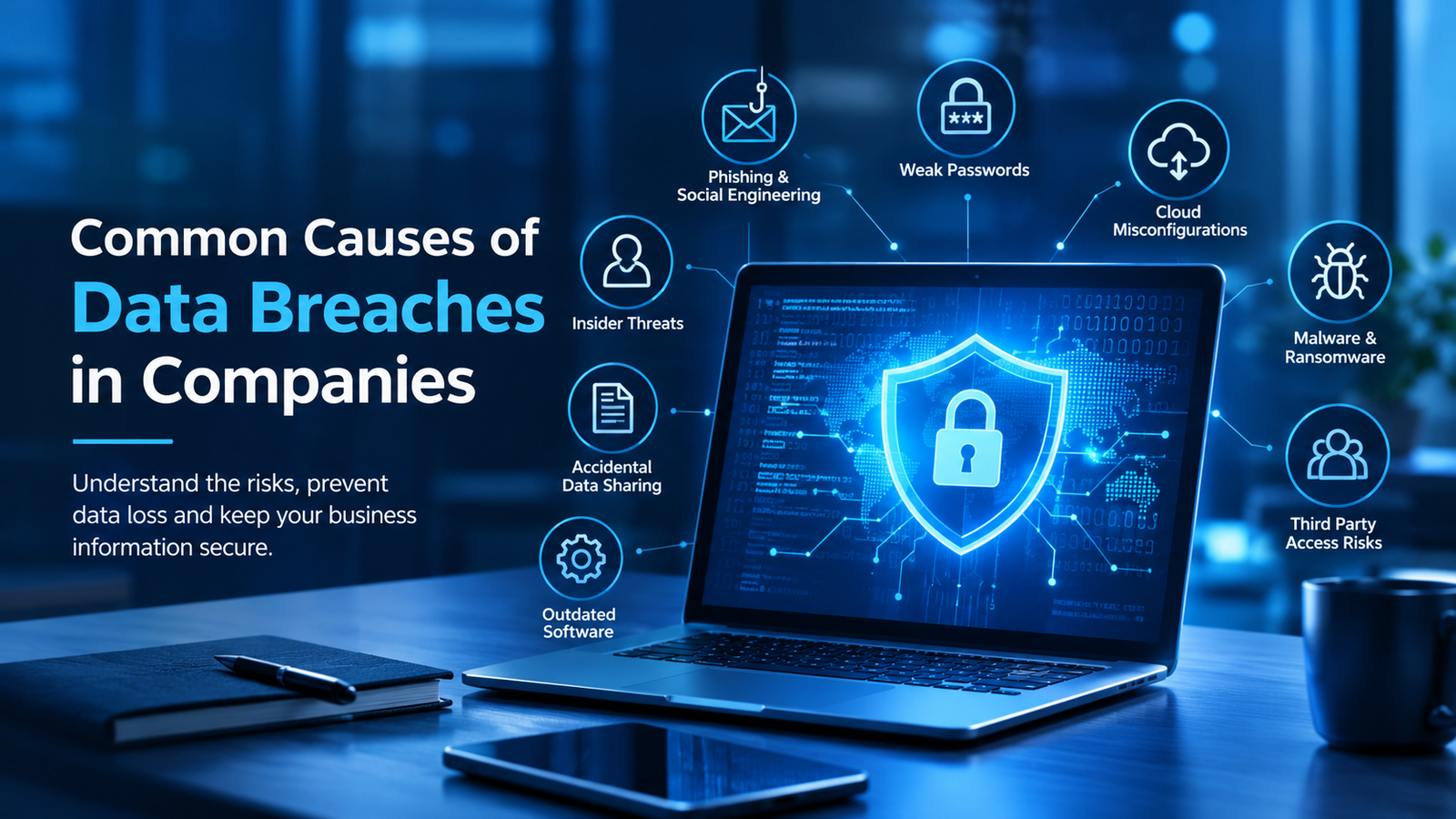
Breaches often combine human error and technical weaknesses. Consider these eight causes.
A convincing email that appears to come from a manager or supplier can lead an employee to disclose login details or open a harmful attachment. Attackers create urgency to discourage verification.
Practical safeguards include phishing awareness training, email filtering, multifactor authentication, and independent verification of unusual requests. Staff need a clear reporting channel.
Using the same password for several accounts means one compromised credential can expose multiple systems. Shared administrator accounts also complicate investigations.
Organizations can reduce these risks with password managers, unique passwords, phishing resistant authentication, and carefully controlled administrator privileges. Access should be updated promptly when employees change roles or leave.
Not every breach involves an attacker. A confidential report might reach the wrong email address, or an employee might upload sensitive documents to a publicly accessible folder. These mistakes happen during routine work.
Data loss prevention services in Thane, India, can help detect sensitive information and warn users before they share it through risky channels. Clear handling policies remain equally important.
Employees, contractors, and business partners sometimes misuse information they can legitimately access. The behavior may be deliberate, but careless handling can produce similar consequences.
Limit permissions to what each role requires, review access regularly, and retain appropriate activity records. Monitoring must respect privacy and workplace policies.
Older applications and unpatched devices may contain vulnerabilities attackers already know how to exploit. Delaying essential updates increases the time those weaknesses remain available.
Maintain an inventory of systems, prioritize security patches, scan for vulnerabilities, and replace unsupported software. Reliable backups help recovery, but they cannot undo the disclosure of stolen information.
Cloud storage makes collaboration easier, yet an incorrect permission setting can expose documents to unintended audiences. Public links, overly broad access rights, and insecure integrations are recurring concerns.
Review sharing settings and user permissions, encrypt appropriate data, and monitor configuration changes. DLP solutions in Thane, India, may help businesses apply consistent data handling rules across cloud platforms and employee devices.
Malware can capture passwords, copy files, or provide unauthorized access to business networks. Some ransomware attacks involve data theft before systems are encrypted, creating both operational and confidentiality risks.
Endpoint security, network segmentation, tested backups, and incident response procedures reduce potential harm. Data loss protection services in Thane, India, can complement these measures by identifying certain unusual or prohibited file transfers.
Payroll processors, technology vendors, and consultants may need access to company information. If a partner account is compromised or an integration is poorly secured, the impact can extend beyond the vendor itself.
Check supplier security practices, restrict access to necessary data, document responsibilities, and remove permissions when contracts end. Review vendors regularly.
Data loss prevention, commonly called DLP, focuses on recognizing sensitive information and reducing the chances of unauthorized disclosure. Policies can cover personal records, financial documents, internal reports, and intellectual property.
Depending on the tools and configuration, DLP may support:
When comparing DLP solutions in Thane, India, businesses should consider existing applications, data sensitivity, employee workflows, reporting needs, and false alerts. DLP is one layer of security, not a replacement for access management, software updates, or training.
Common contributors include phishing, compromised credentials, human error, software vulnerabilities, and misconfigured systems. Their relative importance varies by organization and incident.
They help identify and control sensitive information across email, devices, networks, and cloud applications, depending on the chosen deployment.
DLP can warn users or block certain transfers, but effectiveness depends on policy design, technical coverage, and regular maintenance.
Small businesses also handle valuable records. Their security measures should reflect their data, resources, and actual exposure.
Assess coverage, compatibility, administration effort, privacy controls, support requirements, and the ability to reduce unnecessary alerts.
No. Encryption protects information under specific conditions. DLP focuses on identifying sensitive content and controlling how it moves.


 Home
