Today almost every business depends on digital tools in some form—emails, cloud storage, CRMs, payment systems, and remote collaboration platforms. It has made operations faster, but it has also quietly increased exposure to cyber risks.
In real incidents, it is rarely advanced hacking that causes the problem. Most breaches still begin with something simple—someone clicking a wrong link, opening a fake attachment, or trusting an email that looked legitimate.
This is exactly why conversations around Security Awareness Training Program (SAT) in India have become so important. At Maximus Atlas, we often see that companies invest heavily in tools, but underestimate the human side of security.
And in practice, that human layer is where most risks actually start.
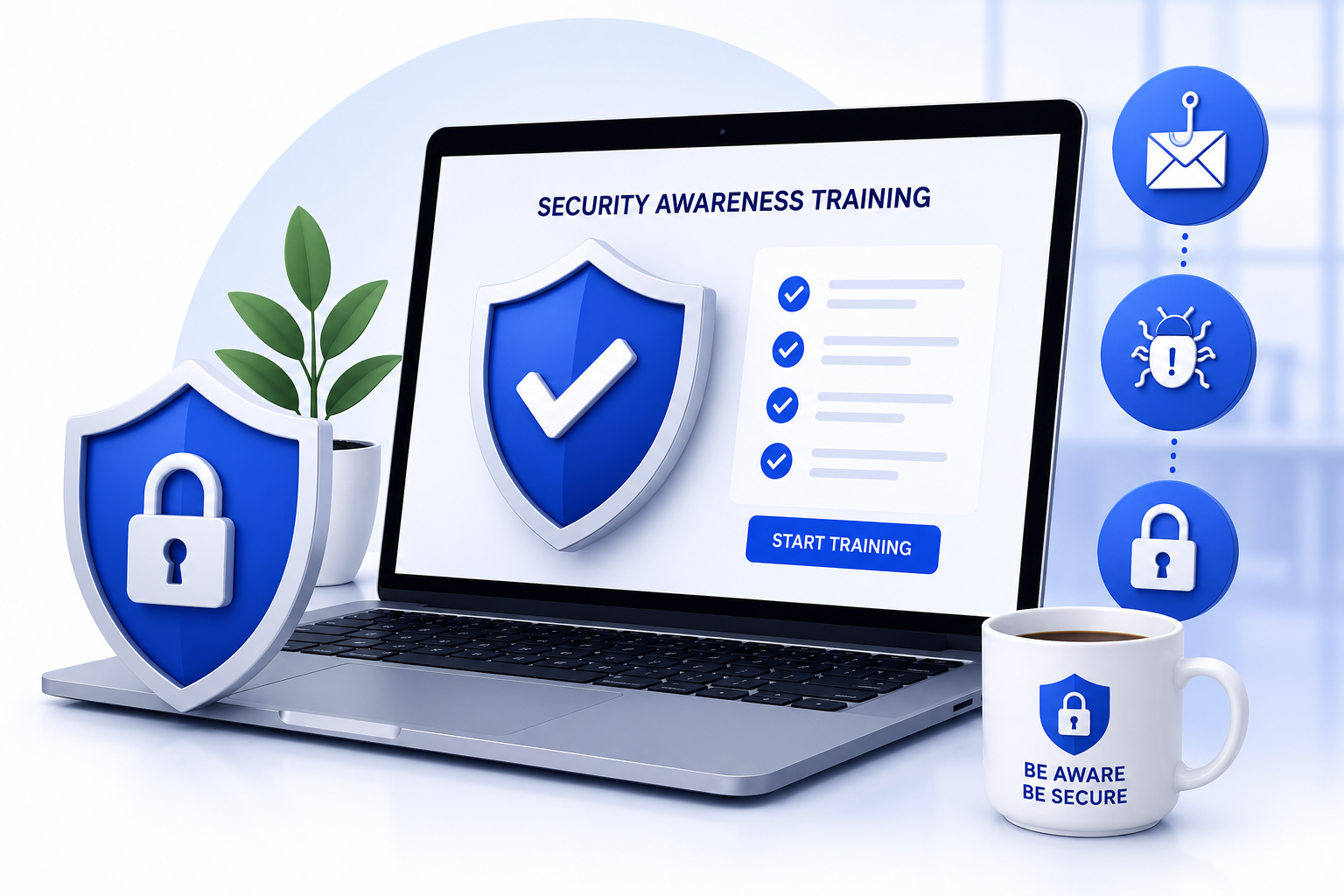
One thing that becomes very clear when you study cyber incidents is this: attackers don’t always break systems, they influence people.
A convincing email pretending to be from HR, a fake invoice from a vendor, or a login page that looks almost identical to the real one—these are enough to cause major damage if someone is not paying attention.
A Security Awareness Training Company (SAT) in India helps employees slow down and question what they are seeing. That small habit—just pausing before clicking—can stop a large percentage of attacks.
At Maximus Atlas, we often say: technology detects threats, but awareness prevents them.
Most organizations believe cybersecurity is only about firewalls, antivirus software, or monitoring tools. These are important, but they only work after a threat appears.
The real risk lies in everyday behavior:
None of these happen because employees are careless on purpose. They happen because people are not trained to recognize risk signals.
This is where awareness training quietly becomes one of the most important layers of security.
A good awareness program doesn’t overwhelm employees with technical details. Instead, it changes how they think during normal work situations.
After going through a Security Awareness Training company (SAT) in India, employees usually start doing a few simple things differently:
These are small changes individually, but together they significantly reduce organizational risk.
From what we’ve seen at Maximus Atlas, even a basic improvement in awareness can prevent multiple potential incidents every year.
One common misunderstanding in many companies is that cybersecurity belongs only to the IT team. In reality, every employee plays a role.
The finance team handles invoices, HR handles personal data, operations teams access systems daily—each of these actions involves security decisions.
When awareness is missing, even a single mistake can lead to a serious incident.
A well-implemented Security Awareness Training Company (SAT) in India helps employees understand that security is part of their everyday responsibility, not an additional task.
Cyber threats don’t stay the same. Attackers constantly change their methods based on what works.
That means awareness also has to evolve.
A one-time training session is rarely enough. People forget. Habits slip. New employees join. Attack patterns change.
That is why regular reinforcement matters more than a single session. Short refreshers, real-world examples, and occasional simulations help keep awareness alive inside the organization.
At Maximus Atlas, we’ve noticed that consistency matters more than intensity when it comes to awareness training.
Industries that handle sensitive data naturally face higher risk. This includes:
But even smaller businesses are not safe anymore. Attackers often target smaller companies because they usually have weaker awareness practices.
This is why awareness training is no longer optional—it has become a basic requirement for digital safety.
Training only matters if it leads to real change in behavior.
Companies usually start noticing improvement in:
These are practical indicators that show whether employees are actually applying what they’ve learned.
Without measurement, awareness becomes just another checkbox activity. With measurement, it becomes a real security improvement layer.
At Maximus Atlas, we don’t look at awareness training as a separate activity. We see it as part of a larger security ecosystem.
Tools like DLP, VAPT, and monitoring systems are important—but they are reactive. They respond after something happens.
Awareness is different. It works at the prevention level.
When employees understand threats clearly, many incidents simply never occur. That is why we consider awareness one of the most cost-effective security investments a business can make.
1. What is a Security Awareness Training Program (SAT) in India?
It is a structured approach to training employees so they can identify and respond to cyber threats in daily work situations.
2. Why is it important for businesses today?
Because most cyber incidents begin with human error rather than system failure.
3. How does Maximus Atlas approach SAT?
We focus on practical awareness that helps employees recognize real-world threats instead of just theoretical knowledge.
4. Is one training session enough?
No, awareness needs regular reinforcement to stay effective as threats evolve.
5. Does training completely stop cyberattacks?
No, but it significantly reduces the chances of successful attacks by improving human decision-making.
For comprehensive Security Awareness Training, please visit Security Awareness Training Services.


 Home
Home